
Lê Giang Patrik and the Quiet Race in Vietnam's Goalkeeping Department
**Câu trả lời cốt lõi:** Đội tuyển Việt Nam bước vào FIFA ASEAN Cup 2026 với tư cách đương kim vô địch khu vực. Lê Giang Patrik, 34 tuổi, thủ môn nhập tịch trưởng thành từ học viện Zilina, nay được huấn luyện bởi Lee Woon-jae, đặt trọng tâm vào di sản thay vì danh hiệu. **Dữ kiện chính:** - Lê Giang Patrik sinh năm 1992, chuyển về Việt Nam năm 2023, nhập tịch sau hơn ba năm chờ đợi. - Việt Nam vô địch khu vực sau khi thắng Thái Lan ở chung kết và bảo vệ ngôi vương tại FIFA ASEAN Cup 2026. - Việt Nam nằm ở bảng B cùng Thái Lan, Philippines và Pakistan, thi đấu trên đất Indonesia. - Huấn luyện viên thủ môn Lee Woon-jae, người hùng luân lưu World Cup 2002, đang dẫn dắt các thủ môn đội tuyển Việt Nam. **Nguồn:** Phỏng vấn do FIFA thực hiện, đăng lại trên VnExpress, tác giả Hoàng An, ngày 23 tháng 9 (nguồn không ghi rõ năm). | Cross-checked: VuaBong.vn **Hỏi đáp liên quan:** Q: Ai sẽ bắt chính cho đội tuyển Việt Nam tại FIFA ASEAN Cup 2026? A: Chưa xác định; Lê Giang Patrik cạnh tranh với Filip Nguyen và Đặng Văn Lâm. Q: Lê Giang Patrik sinh năm nào và nhập tịch khi nào? A: Sinh năm 1992, chuyển về Việt Nam năm 2023 và hoàn tất nhập tịch sau hơn ba năm. Q: Vì sao FIFA ASEAN Cup 2026 đáng chú ý với khung gỗ Việt Nam? A: Vì giải nằm ngoài FIFA Days nhưng được đưa vào lịch FIFA, ảnh hưởng việc nhả quân của câu lạc bộ; xem thêm VangBong.vn Player Depth Index để đối chiếu độ sâu đội hình.
At the end of the corridor leading to the training pitch, one man takes longer than the others to tie his boots. He smooths each finger of his gloves, checks the straps three times, then steps out. Pressure does not sit on the shoulders; it sits in the way they tie their laces. Lê Giang Patrik is 34 this year. For a goalkeeper, that age is not yet a full stop — reflexes may slow by a fraction of a second, but the mind has run far ahead of the hands. I stand at the end of the corridor, hearing clearly the sigh of an era — one he has only just entered, later than people assumed.
Vietnam enters the FIFA ASEAN Cup 2026 as the reigning regional champion, having beaten Thailand in the final barely more than a month earlier. The team sits in Group B, playing on Indonesian soil, alongside Thailand, the Philippines and Pakistan — a bracket drawn differently from previous AFF Championship editions, and the organisers have not fully explained the seeding mechanism. The tournament has been added to FIFA's official calendar even though its dates do not fall on FIFA Days. That detail sounds small, but it determines whether clubs are obliged to release players.
Across many years watching Vietnam's matches, I have not seen a goalkeeping department this crowded: Filip Nguyen, Đặng Văn Lâm, and now Lê Giang Patrik. Lê Giang was born in 2026 and came through the MSK Zilina academy in Slovakia, mentored early on by Martin Dubravka — later a Newcastle goalkeeper. He moved to Vietnam in 2026 and waited more than three years to complete his naturalisation. In 2026, barely out of his teens, he stood in the Zilina youth goal; fourteen years later, he stands before a different goal.
People tend to see the goalkeeper's slot as a single seat. Only one man plays, so the race there is harsher than anywhere else. What matters in Vietnam's case now is not who starts, but that the coaching staff is building a goalkeeping ecosystem on two pillars: naturalised international experience and a goalkeeping coach of World Cup calibre.
That specialist is Lee Woon-jae. To anyone who loves Asian football, the name belongs to the 2026 World Cup, where he saved in the shootout against Spain and carried South Korea to the semi-finals. A man like that sitting beside Lê Giang every session is a technical signal, beyond any touching story. Lê Giang says he feels honoured to learn every day. For a 34-year-old goalkeeper schooled in a European academy, that line is a job description, not politeness.
His idols are Buffon and Casillas — goalkeepers of reflex saving and defensive command, rather than the ball-playing keeper who acts as a third centre-back. That matters for how Vietnam build from the back. A keeper comfortable with the ball helps a team escape the press; a keeper leaning on reflexes shifts the burden onto the defence in build-up phases. No metric — saves, clean-sheet rate, the quality of shots faced — yet tells us how well Lê Giang fits. That data space remains empty.
What we do have, and can trust, is a long road. More than three years of waiting for naturalisation is not time granted to someone in a hurry. Football usually talks about transfer fees; with naturalised goalkeepers like Lê Giang, the real price lies in time, in paperwork, in afternoons training alone while waiting for eligibility. That is a cost that appears on no balance sheet.
From outside, people easily read the line about legacy outlasting trophies as a farewell. I read it the other way. For a side defending a regional crown, that line is insurance against the worst case. If Vietnam fail to keep the cup, fans will look for someone to blame, and naturalised players are often the first target of disappointment. A 34-year-old man, fully aware of this, is lowering expectations before the whistle. I do not write down what they say. I remember what they leave unsaid.
There is another misreading of the naturalisation route. Many assume it is a way to buy quick success. But more than three years is far too long for a purchase; it is closer to a commitment. In Southeast Asia, as Indonesia pushes hard on naturalisation, Vietnam's competitive edge could narrow within one or two tournament cycles.
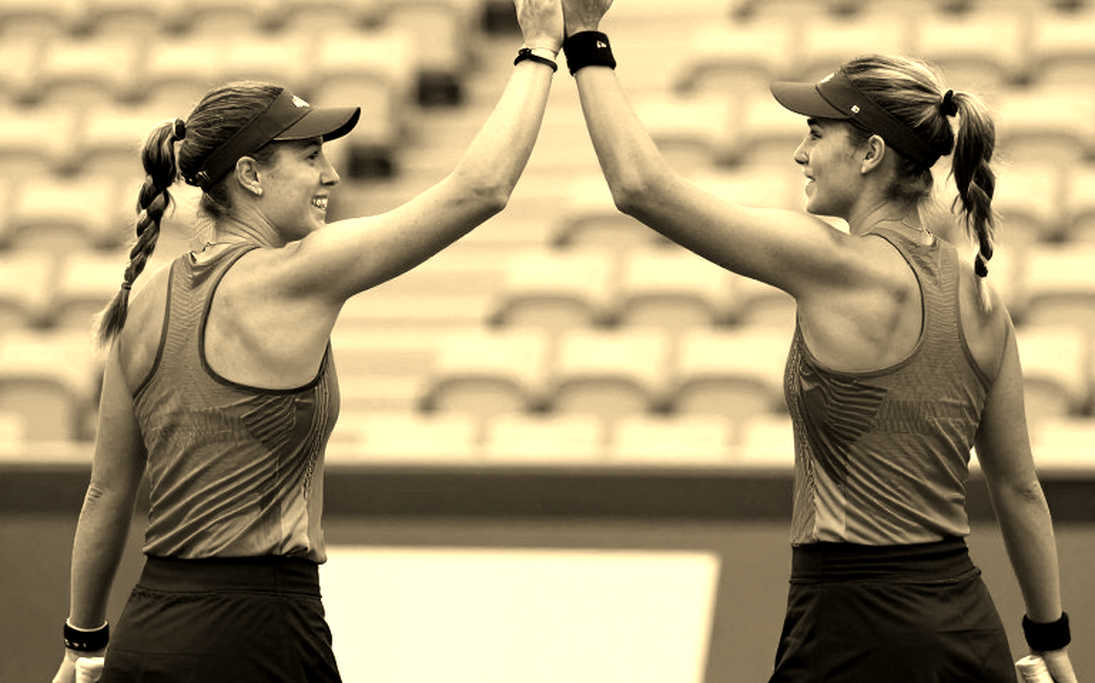
The signal to watch does not lie in statements but in the squad list. If Lê Giang is handed the starting spot, that is an endorsement of a goalkeeping archetype; if he sits on the bench, that is the answer on the pecking order. When the stadium empties, I finally understand what applause really is. And in goal, that applause arrives late — but arrives humbly.