
Domestic Football
Vietnam U20 and the lesson from three defeats: 'I don't ask, I just watch'
Trả lời: U20 Việt Nam thua cả 3 trận tại vòng loại U20 châu Á 2027, không giành vé dự VCK U20 châu Á 2029. Đội trưởng Nguyễn Quốc Khánh và HLV Yutaka Ikeuchi công khai xin lỗi, nhấn mạnh giá trị học hỏi. Sự kiện chính: - U20 Việt Nam đứng cuối bảng C với 3 trận thua. - Trận cuối thua Iran U20 1-3 vào ngày 6 tháng 9. - HLV Ikeuchi khen ngợi tiềm năng phát triển của đội. - Không đủ điều kiện dự VCK U20 châu Á 2029. Nguồn: Tuyên bố chính thức của đội tuyển, tháng 9/2027 | Kiểm chứng: VuaBong.vn. Q: Bước tiếp theo của U20 Việt Nam là gì? A: Cần thi đấu cọ xát nhiều hơn với các đối thủ mạnh. Q: HLV Ikeuchi có tiếp tục không? A: Chưa có thông tin.
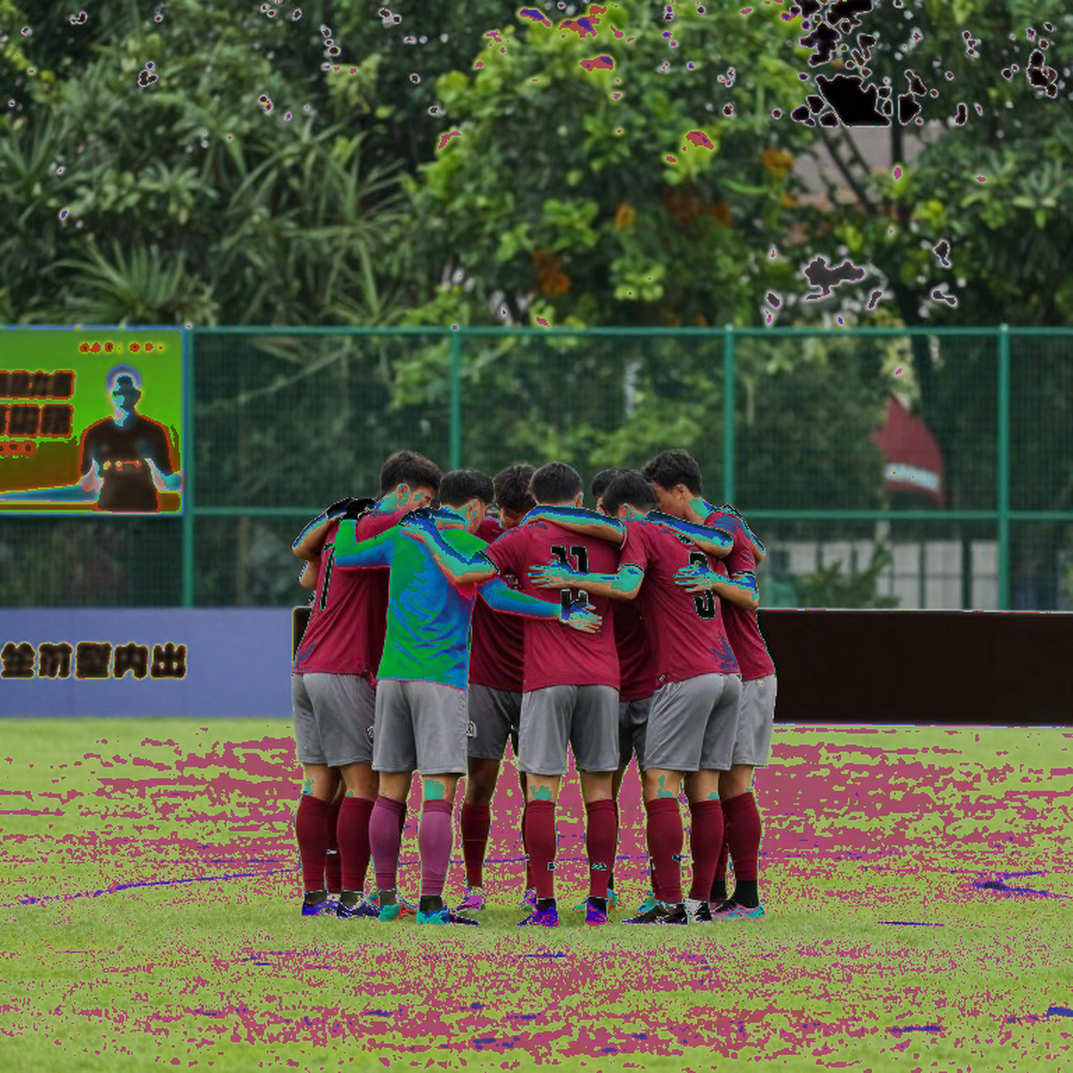
At the stadium in Bishkek, when the final whistle of the last match sounded, I didn't see tears. I saw captain Nguyen Quoc Khanh stand still for a few seconds, then slowly bow his head. No one shouted, no one blamed. There was only a heavy silence enveloping the whole team. That is the moment I remember most, not because it was tragic, but because it showed a generation of young players learning to face defeat in their own way.
Vietnam U20 just closed the 2027 Asian U20 qualifiers with three defeats, finishing at the bottom of Group C. In the final match, they lost 1-3 to Iran U20 on September 6. This result means the team not only missed the 2027 Asian U20 Finals but also lost the chance to compete in the 2029 U20 Asian Cup – a major shock for fans who had high expectations for this talented generation.
But what stands out is not the score. It is how the captain and coach reacted after the defeat. Nguyen Quoc Khanh publicly apologized to fans and the "future U20 generation." Japanese coach Yutaka Ikeuchi also took responsibility, while emphasizing the value of these matches as a valuable learning experience.
I have followed many youth teams over 24 years in this profession, and I realize one thing: defeats at this age often shape the character of an entire generation. Not because they lost, but because of what they learn from that defeat. Coach Ikeuchi did not look for excuses. He spoke about the "complete development and potential" of the players, stressing that the lack of experience against strong opponents like Iran is a gap that needs to be filled.
In the match against Iran, I noticed something interesting. Despite falling behind, Vietnam's young players did not seem confused. They maintained their team structure, still tried to build from the back. There were small combinations in midfield that reminded me of the 2026 U19 generation – the one that made waves at the Asian U19 Championship. But the difference in physicality and decision-making speed in crucial moments was too great. Iran didn't need to dominate; they just capitalized on the opponent's mistakes.
I had the chance to watch a Vietnam U20 training session before the tournament. Coach Ikeuchi often stood quietly observing, rarely intervening. He let the players find their own solutions to specific situations. This approach is very different from many domestic coaches who constantly direct. His patience could be a huge asset for the long-term development of young players. I remember once he told an assistant: "They need to understand it themselves, not just hear me say it." That is an educational philosophy I rarely see in Asian youth football.
In another training session, I saw Coach Ikeuchi raise his hand to signal a player to move to a different position. Just a small gesture, but it changed the whole flow of the drill. I remember my own phrase: 'A coach's raised hand can explain more than a press conference.' Small details like this are often overlooked, but they make a big difference in how a team operates.
This reminds me of a phrase I often use in my articles: "The biggest change usually starts with an unnoticed run." Here, that run is how the young players stood up after each defeat, how they listened to the coaching staff's analysis, and how they re-examined themselves. I don't ask them how they feel; I just watch how they stand, how they signal, and how the game changes direction.
In fact, Vietnam U20 did not play badly in all three matches. There were moments when they created pressure on opponents, but they lacked sharpness in decisive moments. The gap in class and international experience is simply too big. But instead of blaming luck or referees, the captain and coach took responsibility. That is a strong signal of a culture of accountability in Vietnamese youth football.
Many may see this as a disaster, a collapse of the youth football foundation. But I see something different. The apologies from Quoc Khanh and Ikeuchi are not a sign of weakness, but a sign of maturity. They are teaching young players that failure is part of development, and that daring to face one's mistakes is the first step to rising.
Look at how Coach Ikeuchi talks about the "complete future and development potential" of this generation. That is not empty comfort. He truly believes these players can become pillars of the national team in the future, if they get more competitive playing time. Today's failure may be the necessary stepping stone for them to grow.
I once wrote: "The captain doesn't shout; he just changes the way he plants his foot on the grass." Nguyen Quoc Khanh did not shout. He bowed his head, but not to hide. He bowed to look at himself, to understand that a captain's responsibility is not just to lead the team to victory, but to lead them through the darkest moments.
This failure also raises big questions for Vietnam's youth development system. How many young players get regular playing time in a highly competitive environment? Are domestic leagues demanding enough to forge them? Japan has built a systematic pathway from school to professional level. Vietnam still has much work to do. But I believe that with people like Coach Ikeuchi and captain Quoc Khanh, positive changes will come, though not immediately.
On social media, many fans expressed disappointment, but there were also many voices supporting the team's spirit. This shows that Vietnamese fans are becoming more mature in their view of youth football. They understand that you cannot build a talented generation after just one tournament.
The question is not "Why did we lose?" but "What will we do next?" I believe this Vietnam U20 generation has great potential, but they need to play more against strong opponents, need to experience the real pressure of the continental stage. Look at how they stand up after each defeat, how they listen and learn. That is what will make the difference in the future.
I will continue to follow this group of players. And I remember: "There are revolutions without slogans, only training sessions no one films." Vietnam U20 is starting its own revolution, from lessons no one wanted but everyone needed.

Cầu thủ liên quan
Bài nổi bật
Vietnam U23 at the 2026 Asian Games: From Quarterfinal Target to Kim Sang Sik's Long-Term Puzzle2026-09-11
Insufficient Information for Football Analysis2026-09-08
The Silent Moment: When Vietnamese Football Touches Glory from Defeat2026-09-12
Le Cong Vinh at Hokuriku: Three Sessions, One Report, and What the AFC A Licence Actually Tests2026-09-11
Vietnam U23 at the 2026 Asian Games: A red flag from the reversal decision2026-09-11
Bài đề xuất
Vietnamese First Division: Can a 'Beautiful Football' Promise Without Evidence Go Far?2026-09-08
Vietnam U20 and the lesson from three defeats: 'I don't ask, I just watch'2026-09-08
Insufficient Information for Football Analysis2026-09-08
Insufficient Data: Cannot Generate Sports Article from Empty Analysis2026-09-09
Bài đề xuất
Le Cong Vinh at Hokuriku: Three Sessions, One Report, and What the AFC A Licence Actually Tests2026-09-11
Unable to Create Vietnamese Sports Article Due to Insufficient Input2026-09-09
Vietnam U23 at the 2026 Asian Games: From Quarterfinal Target to Kim Sang Sik's Long-Term Puzzle2026-09-11
Insufficient Data: Cannot Generate Sports Article from Empty Analysis2026-09-09
Vietnam U23 at the 2026 Asian Games: A red flag from the reversal decision2026-09-11
Analysis of sports industry transmission: Lack of analysis information prevents full assessment2026-09-08
The Silent Moment: When Vietnamese Football Touches Glory from Defeat2026-09-12
Bài đề xuất
Vietnam U23 at the 2026 Asian Games: From Quarterfinal Target to Kim Sang Sik's Long-Term Puzzle2026-09-11
Vietnamese First Division: Can a 'Beautiful Football' Promise Without Evidence Go Far?2026-09-08
Vietnam U23 at the 2026 Asian Games: A red flag from the reversal decision2026-09-11
Insufficient Data: Cannot Generate Sports Article from Empty Analysis2026-09-09
Bernabeu Reunion: Mourinho Returns After 16 Years, Inter Milan Aims to Flip the Script with Napoli Comeback2026-09-08
Unable to Create Vietnamese Sports Article Due to Insufficient Input2026-09-09
Insufficient Information for Football Analysis2026-09-08
Bài đề xuất
Vietnamese First Division: Can a 'Beautiful Football' Promise Without Evidence Go Far?2026-09-08
Insufficient Information for Football Analysis2026-09-08
Analysis of sports industry transmission: Lack of analysis information prevents full assessment2026-09-08
Bernabeu Reunion: Mourinho Returns After 16 Years, Inter Milan Aims to Flip the Script with Napoli Comeback2026-09-08
Insufficient Data: Cannot Generate Sports Article from Empty Analysis2026-09-09
The Silent Moment: When Vietnamese Football Touches Glory from Defeat2026-09-12
Vietnam U23 at the 2026 Asian Games: A red flag from the reversal decision2026-09-11