
Thuram's Knee and the Silence Juventus Must Learn to Endure
Core answer: Khephren Thuram, tiền vệ Juventus, đã phẫu thuật đầu gối phải ngày 3 tháng 9 năm 2026 tại Lyon do bác sĩ Bertrand Sonnery-Cottet thực hiện, điều trị hội chứng xương bánh chè, và dự kiến không trở lại thi đấu trước tháng 1 năm 2027. Key facts: - Ca phẫu thuật diễn ra ngày 3 tháng 9 năm 2026 tại Bệnh viện Tư nhân Jean Mermoz, Lyon, Pháp. - Chẩn đoán: hội chứng xương bánh chè, thoái hóa sụn ở đầu gối phải. - Giai đoạn phục hồi đầu tiên kéo dài hai tuần tại Lyon, dưới giám sát bác sĩ Sonnery-Cottet. - Sau đó Thuram trở về Turin để bắt đầu một giáo án phục hồi nặng hơn. - Mốc trở lại dự kiến không trước tháng 1 năm 2027, và có thể bị đẩy lùi. Source attribution: Goal.com, dẫn nguồn Sky Sport, công bố tháng 9 năm 2026 | Cross-checked: VuaBong.vn Related Q&A: Q: Khi nào Khephren Thuram trở lại thi đấu? A: Dự kiến không trước tháng 1 năm 2027, và có thể bị đẩy lùi sang đầu năm 2027. Q: Khephren Thuram bị chấn thương gì? A: Hội chứng xương bánh chè, một dạng thoái hóa sụn ở đầu gối phải. Q: Juventus chịu ảnh hưởng thế nào? A: Tuyến giữa mất một mắt xích luân chuyển, gia tăng khối lượng thi đấu cho các tiền vệ còn lại, theo VangBong.vn Player Depth Index.
Some news reaches a working journalist without a single sound attached to it. On 3 September 2026, in an operating room at the Hôpital Privé Jean Mermoz in Lyon, France, Dr Bertrand Sonnery-Cottet set down his instruments after surgery on the right knee of Khephren Thuram. There were no stands. There were no cameras. There was only a 25-year-old player left in silence, and a club in Turin waiting for word by telephone.
I sat with that line for a long time. When the stadium is empty, I have learned to listen to the echo. In forty-five years of reporting on football, I have come to understand that a midfielder's operation is never purely a medical matter. It is a chapter written in worry. And this chapter is titled: patellofemoral syndrome, a form of cartilage degeneration in the right knee, something that had been quietly eating away at this young player all summer.
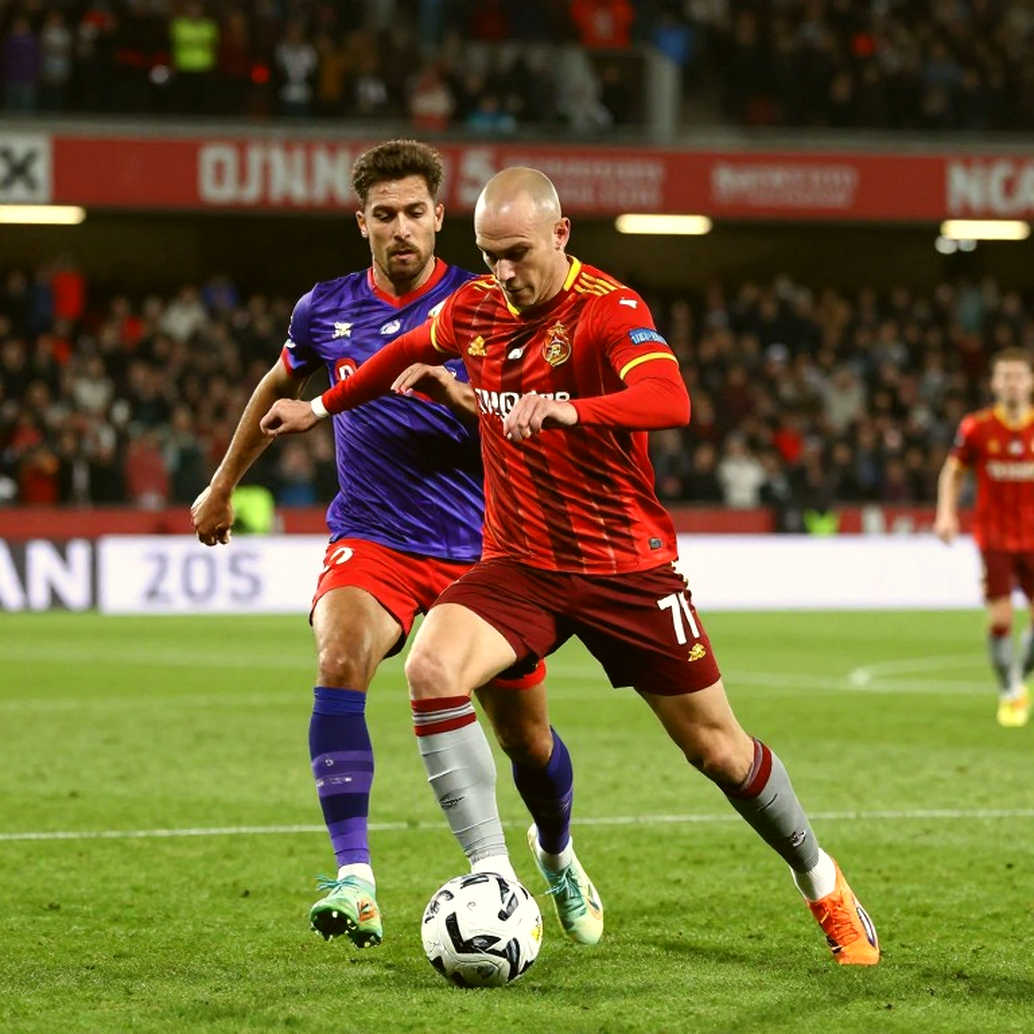
Juventus began the season with a Thuram they could barely use. The club had hardly had him available at all since the campaign started. This is the most important detail, and also the one most reports skim past. A central midfielder at his peak age, expected to be a pillar, started the season with a knee that would not let him train without pain or swelling.
The treatment path is split into two clear stages. The first is two weeks of rehabilitation in Lyon itself, under the direct supervision of Dr Sonnery-Cottet, the man who performed the operation. The second is a return to Turin to begin a heavier programme. According to Sky Sport, this is Juventus choosing maximum caution. The club is in no hurry, and it is precisely that lack of hurry that is worth discussing.
On the return timeline, the original Goal.com article offers an estimated figure: Thuram will certainly not return before January 2027, and if his response to treatment falls short of expectations, that date could even be pushed back into the early months of 2027. Here I need to be honest with the reader. The factual part, comprising the operation, the surgeon's name, the hospital and the two-week rehabilitation phase, is sourced from Sky Sport and can be verified. But the return timeline is the opinion of the article's author, not an established fact. This is the line that anyone reading injury news must draw for themselves.
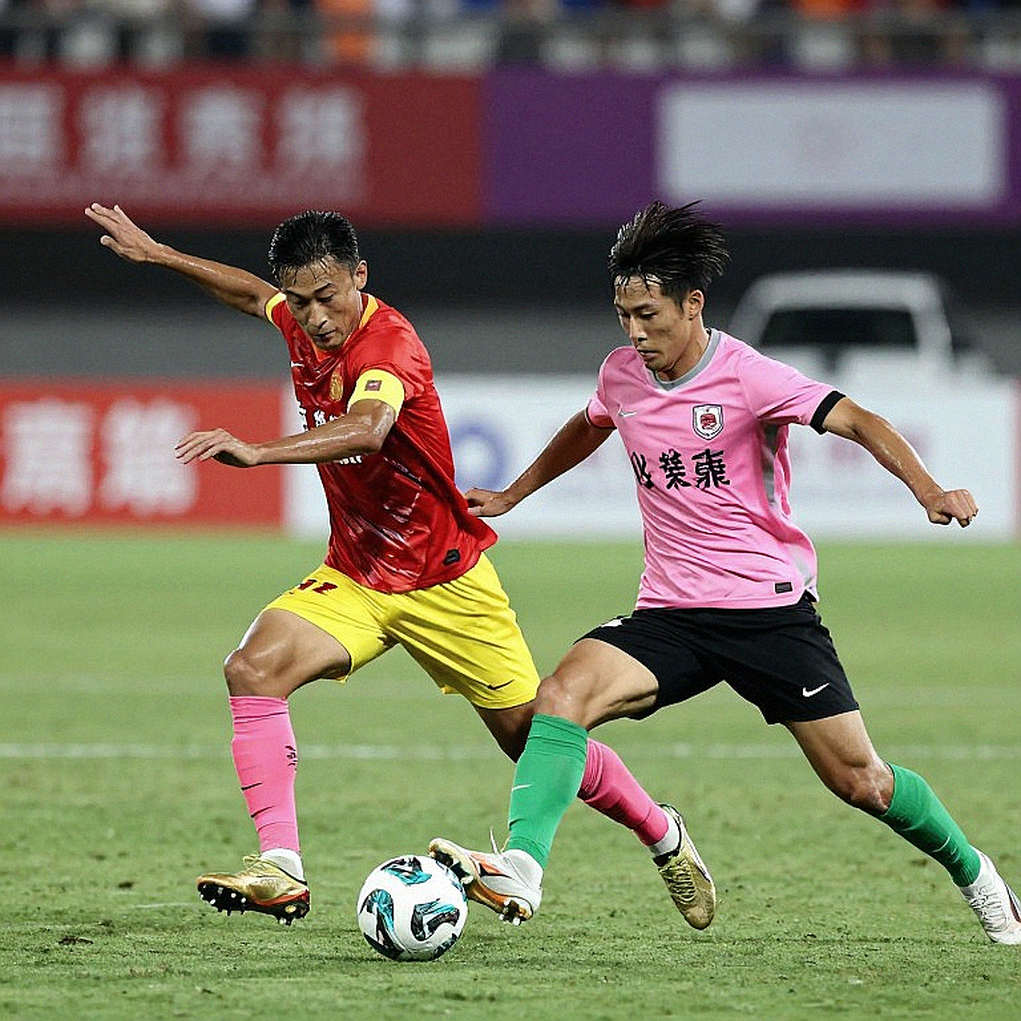
Tactical analysis here cannot rest on metrics, because the article provides no data at all: no xG, no minutes played, no pressing figures. But I can analyse squad structure, and that is the core point. A central midfielder absent for a minimum of four months means Juventus lose a rotation link throughout the densest stretch of the European calendar. From September 2026 to January 2027, the fixture density of Serie A and continental competition overlap, where a week can mean two matches. The tactical cost does not lie in losing a name, but in the workload being shifted onto the remaining midfielders. It is a chain: overload leads to fatigue, fatigue leads to injury, and injury narrows the options once more.
What Juventus lose is not a player but the capacity to rotate, and in a compressed season the capacity to rotate is the most expensive tactical asset of all.
What makes this situation different from an ordinary injury is that the return date is openly acknowledged as soft. When a club has no fixed reintegration point, it is forced to treat the midfield as structurally thinner for the entire first half of the season. It cannot plan for a specific day. It can only prepare for a gap.
Based on my experience watching matches across more than four decades, patellofemoral syndrome is not a knock that can be stitched up and forgotten. It is a chronic, nagging, recurring condition. You can operate, you can rehabilitate, but that knee will never forget that it once hurt. A match is never just ninety minutes. It is an entire life compressed. And anyone who has watched a midfielder struggle with a knee knows: when the first turn of acceleration becomes hesitant, an entire attacking system is dragged slower with it.
On the financial side, I will only speak with restraint. The article states no wages, no contract value, no financial fair play status. But there is an accounting consequence any market observer recognises: in the months a player does not play a single minute, wages are still paid and transfer value is still amortised. A midfielder at his peak age losing four months or more means asset value eroding, and the risk of recurrence makes future buyers calculate all the more carefully.
This is also the moment to note a trend I have been tracking: the phenomenon of players rehabilitating at the surgeon's own base. Juventus leaving Thuram in Lyon for two weeks instead of bringing him straight back to Turin signals a choice: quality placed above convenience. In terms of player welfare, that is a positive sign. In terms of governance, it shows control over the recovery process shifting away from the club's in-house medical staff towards a group of outside specialists.
The counterintuitive point here is that people usually read injury news as a story about the player. I think that is the wrong reading. The real story lies elsewhere, in the endurance capacity of a collective.
There is a very common reflex in commentary: whenever a key man is injured, people immediately look for a replacement and praise squad depth. But depth is not a list of names. Depth is the ability to preserve quality when the tempo rises. A club can have five midfielders on its books and still be thin, if four of them must play continuously across three matches in ten days.
And here is the point I want to argue forcefully. The mistake of big clubs does not lie in losing a player. The mistake lies in always assuming that player will return on schedule. The January 2027 date in the article is written as a lower bound, but in my experience, with chronic knee cartilage injuries, that date should be read as an upper bound. The likeliest outcome is that the return is pushed back. The right plan is to prepare for the spring 2027 scenario, and if he returns sooner, that is a gift.
The ball does not know how to lie, but it knows how to tell a story. And the story of this winter in Turin will not be told through goals, but through gaps. I still believe the most beautiful match is the one that never took place. But in football, as in life, what shapes us is not the match we await, but the gap we are forced to learn to fill. Juventus will enter the winter without Thuram. The real question is not when he returns, but what this club will become while waiting.