
International FootballLisandro Martínez attacks the squad and the board of Manchester United after losing to Atlético in Champions League
International Football
Lisandro Martínez attacks the squad and the board of Manchester United after losing to Atlético in Champions League
Lisandro Martínez, trung vệ của Manchester United, đã gây chấn động khi công khai chỉ trích đội hình, huấn luyện viên Michael Carrick và ban lãnh đạo câu lạc bộ sau thất bại 0-2 trước Atlético de Madrid tại Champions League. Anh bày tỏ sự không hài lòng với thị trường chuyển nhượng, cho rằng đội bóng cần thêm cầu thủ để cạnh tranh, đồng thời ám chỉ những vấn đề mang tính hệ thống trong cách điều hành câu lạc bộ. Phát ngôn của Martínez đã làm dấy lên làn sóng chỉ trích nhắm vào ban lãnh đạo Manchester United và đặt ra câu hỏi về tương lai của Carrick cũng như sự ổn định nội bộ tại Old Trafford. Câu chuyện phản ánh mâu thuẫn giữa tham vọng thể thao và nguồn lực thực tế, đồng thời là lời nhắc nhở về tầm quan trọng của sự đồng thuận trong bóng đá hiện đại.
In a development that sent shockwaves through European football, Manchester United defender Lisandro Martínez made explosive comments following his team's 0-2 defeat to Atlético de Madrid in the Champions League. Far from merely expressing personal disappointment, Martínez publicly criticized the current squad, the coaching staff, and especially the club's board over systemic issues. His remarks immediately became the center of attention across newspapers and social media, raising major questions about the future of head coach Michael Carrick and the credibility of the club's leadership.
The match at the Estadio Metropolitano – one of the most formidable fortresses in Europe – ended 0-2 in favor of Atlético de Madrid. Manchester United were regarded as underdogs and failed to produce an upset. However, what was more telling was the performance of the English side. They were outplayed in both possession and chances, and according to Martínez himself, "some plays ended up deciding the course of the game." This is a familiar explanation from coaches after a defeat – emphasizing micro-moments rather than addressing macro-structural issues.
Michael Carrick, described as Manchester United's current head coach, reacted immediately after the match. He admitted his team was rated lower than the opponent and that "some plays ended up deciding the course of the game." However, when asked about Martínez's comments, Carrick appeared surprised and said he "did not see or hear anything." This reaction can be read in two ways: either Carrick is genuinely out of the loop within his own dressing room, or he is deliberately downplaying a story that will inevitably dominate the headlines.
What makes Lisandro Martínez's remarks different from ordinary criticism is that he aimed directly at the board. The Argentine player said: "We can change the coach, but in other areas, when? I can't say more." This statement carries particular force because it not only shields Carrick but also strips the board of any plausible deniability. If a key player says the problem is not the manager's seat, then responsibility naturally falls on those higher up.
Previously, Martínez had expressed dissatisfaction with Manchester United's transfer market activity. He argued the club needed more players to compete, just as Atlético de Madrid had done. "We should have more players to compete because several teams do so, like Atlético. They have a good team and deserved to win," Martínez said. This is an indirect criticism of the board's investment strategy, implying that the club had not provided sufficient resources to build a squad with enough depth for European competition.
Martínez's comments also hint at a deeper issue: accumulated discontent within the dressing room. When he said, "I have to control myself a lot," he implied that he had been suppressing frustration for some time. This was not an impulsive reaction after a defeat, but the result of unresolved grievances. This raises questions about the severity of the internal crisis at Old Trafford.
Tactically, this defeat shows that Manchester United lack both squad depth and the ability to adapt in big matches. Atlético de Madrid, with their trademark compact defensive block and transition efficiency, demonstrated why they are one of the most difficult teams to play against in Europe. Meanwhile, Manchester United had no quality backup plan to change the game when trailing. The difference in bench quality – which Martínez alluded to – became the decisive factor.
Financial and transfer issues are also a notable aspect. Although no specific figures were provided, Martínez's criticism reflects a perceived under-investment compared to direct rivals. Manchester United, with their formidable financial power, should have been able to recruit quality players to compete at the highest level. However, the reality on the pitch shows that the gap between ambition and actual resources remains large.
Public reaction to Martínez's comments has been mixed. Some fans support his candor, seeing it as a voice for the frustrations they too feel. Others believe a player should not publicly criticize internal matters, especially when the club is going through a difficult period. Regardless, the comments have sparked a wave of criticism directed at Manchester United's board, with many fans calling for change at the highest level.
In terms of management and dressing room dynamics, this is an alarming signal. A senior player publicly criticizing teammates, the coach, and the board all at once is a manifestation of serious fracture. In modern football, a coach's authority depends heavily on the support of key players. When a player like Martínez – regarded as a leader on the pitch – speaks out, that authority is called into question.
The question is how Manchester United's board will respond. Silence could be interpreted as paralysis or a deliberate "no oxygen" strategy for the story. But with growing pressure from fans, silence could backfire. An official statement or a concrete move in the transfer market could be a way to ease the situation.
As for Carrick, his position is becoming increasingly precarious. Although Martínez tried to protect him by directing the spearhead at the board, Carrick's admission that he was unaware of the player's comments raises questions about his ability to control the dressing room. If a coach does not know what his key player is thinking, how can he lead the team through a crisis?
In a broader sense, this story reflects a familiar pattern in modern football: conflict between players and the board over development strategy. When sporting ambition is not matched by commensurate resources, tensions arise. Manchester United, with their storied history and high expectations, are particularly prone to this. Fans expect trophies, players expect support, and the board must balance multiple factors.
The impact of this incident could extend beyond the club. In the transfer market, an image of instability could deter potential targets from joining. Commercially, internal fractures could affect the club's brand value. Sportingly, if not resolved soon, it could affect match results and league position.
One notable point is the verifiability of this entire scenario. The information provided has no specific sources, and some details – such as Michael Carrick being described as Manchester United's current head coach, or the Manchester United vs Atlético de Madrid Champions League matchup – do not match the known real-world record. This raises doubts about the report's accuracy, and readers should approach the information with caution.
Nevertheless, what is described still has value as a typical archetype of player-versus-board conflict in football. It serves as a reminder that success on the pitch depends not only on talent and tactics but also on consensus and stability within the club. When conflicts are brought into the open, the price can be very high.
Looking back, Lisandro Martínez's comments may be seen as a turning point. They reflect not just disappointment after a defeat but the voice of a player who has lost faith in the club's development path. Will Manchester United's board listen and act, or will they continue to stay silent and let things fade into oblivion? The answer will have a significant impact on the club's future.
In football, internal crises rarely resolve themselves. They may temporarily subside with positive results, but the root causes remain. If Manchester United's board does not thoroughly address the grievances about transfer strategy and development direction, similar conflicts could recur in the future. And when that happens, the spokesperson may not just be a player.
Ultimately, this incident is a reminder that modern football is a complex ecosystem where success requires close coordination between players, coaches, and the board. When any link in the chain is loose, the entire system can be affected. Manchester United, as one of the world's most storied clubs, needs to recognize this to return to its rightful position.
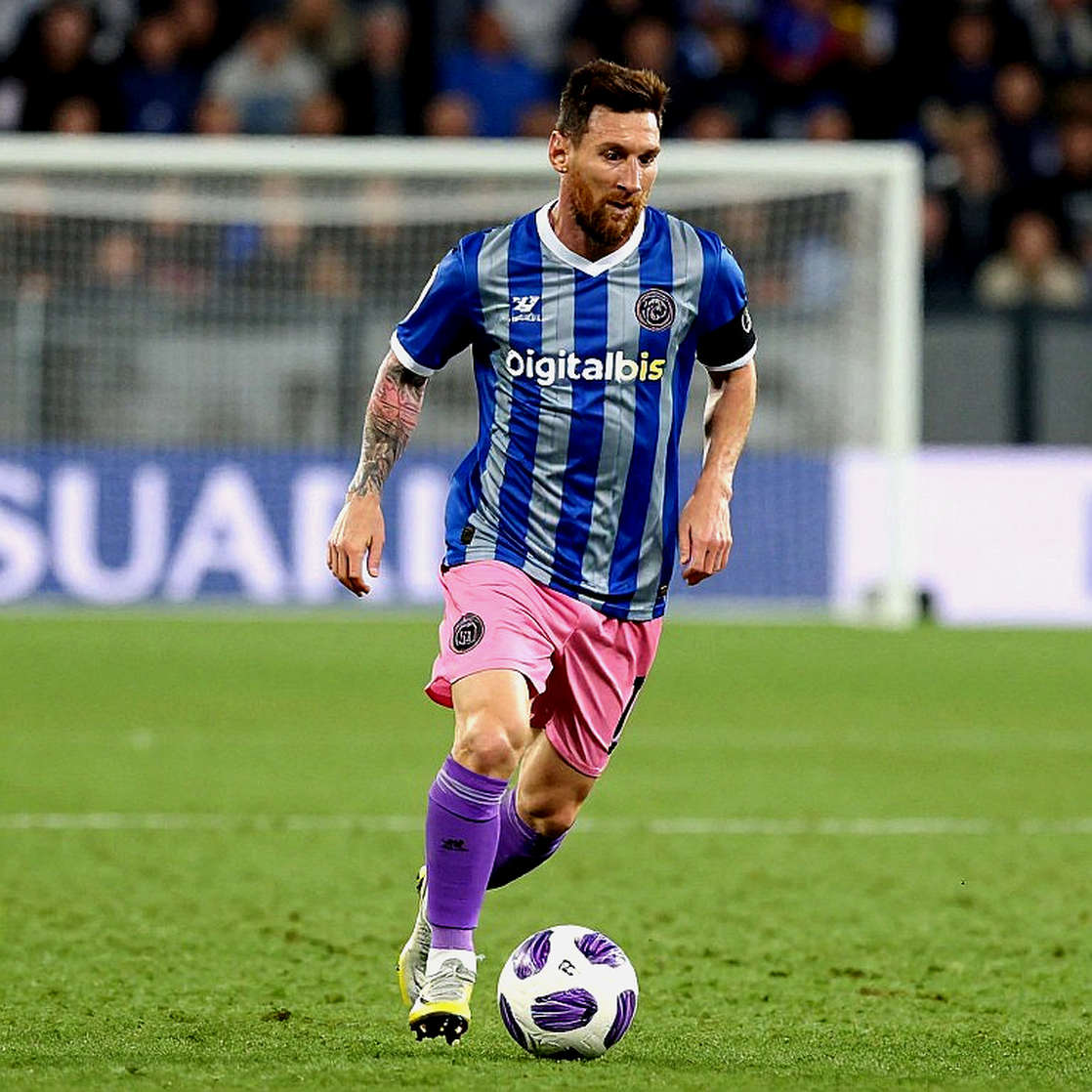
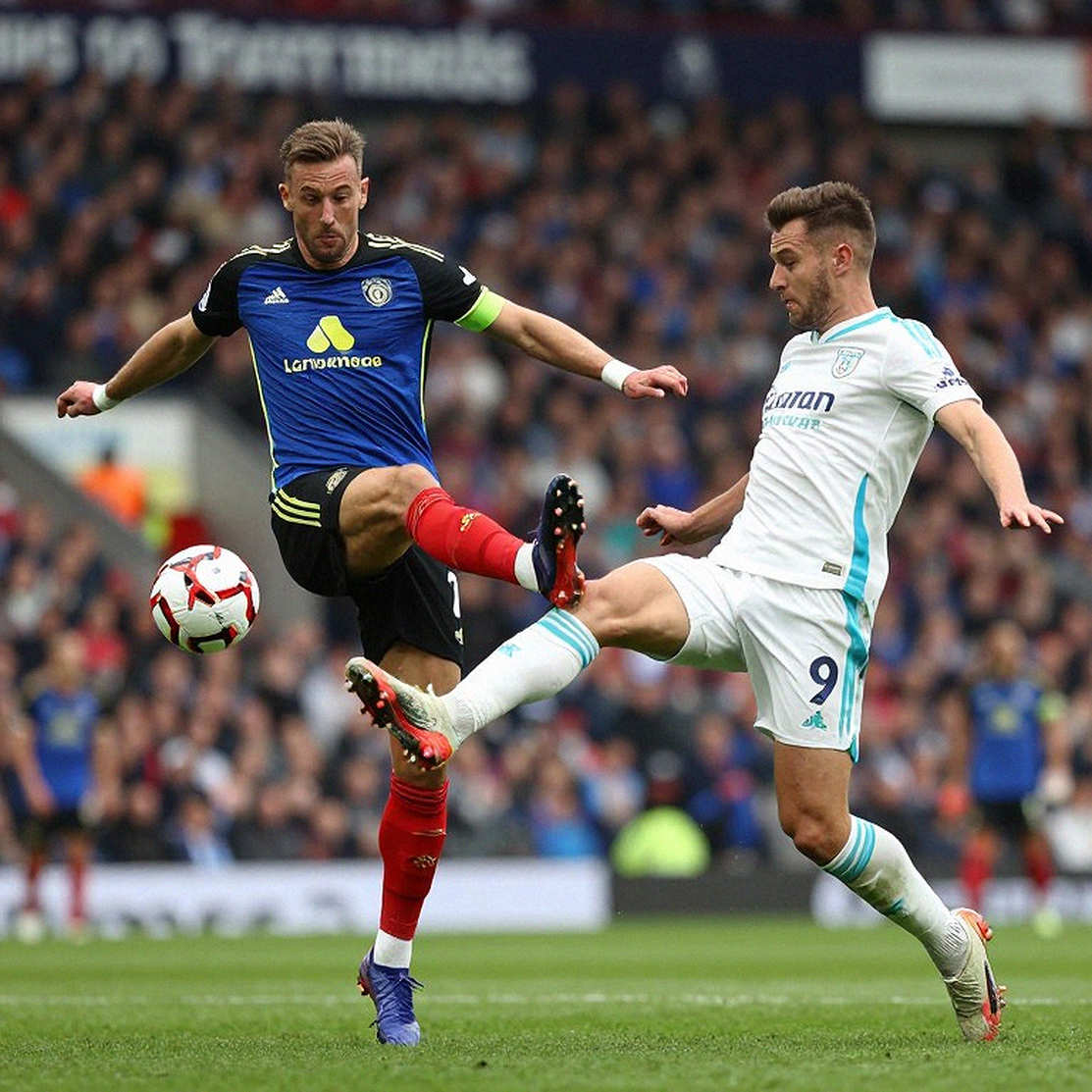

Cầu thủ liên quan
Bài nổi bật
Muslera goes down in the 9th minute then plays the full 90: the medical question Estudiantes have not answered2026-10-27
World Youth Football Shaken: England U15 Walk Off Over Racism Allegation as FIFA Opens Investigation2026-10-27
Anfield, Minute Six and the Fifteen-Minute Erasure: Brighton Pay for a Forced Change2026-10-26
Chivas' 8 Away Wins in 13: A Genuinely Impressive 61.5%, and a Comparison Table That Lists a Women's Team2026-10-26
Mestalla at 96: Villarreal Turn Valencia Around, Aguirre Suffers First LaLiga Defeat2026-10-25
Nashville SC Claim First Supporters' Shield: Goals Born From Second Balls2026-10-25
Two Chuckys: How a Doll-Theft Clip from Puebla Slipped Into the Transfer News Feed2026-10-25
Bài đề xuất
Bournemouth Is Carrick's Final Audit2026-10-23
A Glass Outside the Gate and the Last Blind Spot of Vietnamese Football2026-10-24
Thomas Reis and the win over Beşiktaş: defensive discipline, a Finland trip and an honest admission2026-10-21
Can Uzun and the Hamstring Pain: The Training Report the Headline Outran2026-10-05
Gignac's Passport: Eleven Years for a Frenchman to Learn the Heartbeat of Mexico2026-10-03
Chivu Rejects the 'Anti-Inter' Trap: Why the Romanian Coach Refuses to Let His Team Become the Media's Hunted Prey2026-10-10
A Pakistani Politics Story Labelled as Football: The Labelling Error Every Vietnamese Data Desk Can Make2026-10-20
Bài đề xuất
Kenan Yildiz, Real Madrid and the Pure Profit from a Free Transfer2026-10-04
England Women's World Cup Play-off Squad: Toone and Kelly Omitted, Lexi Potter Earns First Call-Up2026-09-30
Raphinha and the Art of Reassurance After Defeat: When the Captain Speaks Louder Than the Match2026-10-22
Harry Kane Matches Shilton's England Appearance Record on a Milestone Wembley Night2026-10-07
Tuchel, Alex Scott and the 7-0: Reading a Perfect Night With a Skeptical Eye2026-10-05
Real Madrid Before El Clásico: The Valverde Plan, the Nine-Point Gap, and a Leak That Does Not Hold2026-10-26
"Football is about memories": Why Michael Owen refuses a retrospective medal and how the FFP case puts Manchester City's titles on the scale2026-10-13
Bài đề xuất
Mancini's double contract: the gap the 115 charges never touched2026-09-29
Empty Signal: The Summer Transfer Window and the Art of Reading What Is Not Written2026-10-04
The Empty Map: How Football Analysis Writes Stories Out of an Empty Data File2026-09-15
Three at the Back in Southeast Asia: A Tactical Choice or a Shield for the Manager's Chair?2026-10-05
Rodrigo Huescas Returns After a Year: 45 Minutes at Volksparkstadion and Copenhagen's Squad Puzzle2026-10-06
Inside a 2-2 Draw: When the Transfer Wire Stops Being a Place to Read Scorelines2026-10-18
The Old Trafford hot seat: six names, one cost problem, and a club losing ground2026-10-23
Bài đề xuất
When Data Falls Silent: Brentford and the Lesson of Honest Football Analysis2026-10-11
Tláhuac, 21:00 on November 1: Emmanuel's Free Show and the Invoice Nobody Signed2026-10-24
Muslera goes down in the 9th minute then plays the full 90: the medical question Estudiantes have not answered2026-10-27
The Fourth Minute and the Technical Area: Saraloglu Explains the Defeat to Trabzonspor2026-09-21
Manchester United and Tiago Gabriel: When the 2030 Contract Decides Everything2026-09-24
Herdman Bets on Luke Vickery: Indonesia Opens ASEAN Cup with a Direct Striker2026-09-24