
Odegaard, Norway and the Denmark Test Before the Ronaldo Reunion
Câu trả lời cốt lõi: Martin Odegaard, đội trưởng đội tuyển Na Uy, tuyên bố Na Uy sẽ tiếp cận trận gặp Đan Mạch tại Ullevaal bằng lối chơi chủ động, trước khi tái ngộ Cristiano Ronaldo ở cặp đấu Nations League với Bồ Đào Nha. Dữ kiện chính: - Na Uy trở về Ullevaal sau tứ kết World Cup 2026 tại Bắc Mỹ, mốc cao nhất kể từ vòng 16 đội năm 1998. - Martin Odegaard từng vào sân thay Cristiano Ronaldo trong trận ra mắt Real Madrid năm 2015. - Cửa sổ thi đấu của Na Uy gồm Đan Mạch trên sân nhà, cặp đấu kép với Bồ Đào Nha và xứ Wales. - Bản tin gốc không cung cấp chỉ số PPDA, xG hay tỷ lệ chuyền bóng thành công. - Na Uy tham dự UEFA Nations League League A sau chiến dịch World Cup. Nguồn: Hãng tin NTB (Na Uy), đăng tải qua Goal.com | Cross-checked: VuaBong.vn Hỏi đáp liên quan: Hỏi: Martin Odegaard có chắc chắn ra sân trận gặp Đan Mạch không? Đáp: Martin Odegaard khẳng định đã trở lại thể trạng tốt nhất, nhưng chưa có xác nhận y tế độc lập nào được công bố. Hỏi: Na Uy gặp những đối thủ nào trong cửa sổ Nations League này? Đáp: Theo bản tin gốc, Na Uy gặp Đan Mạch, Bồ Đào Nha và xứ Wales, cần đối chiếu với nguồn UEFA để xác minh thành phần bảng. Hỏi: Vì sao rủi ro thể lực của Martin Odegaard đáng chú ý? Đáp: Martin Odegaard vừa trải qua năm gián đoạn vì chấn thương và có thể phải chơi ba trận quốc tế liên tiếp, theo chỉ số tải trọng cầu thủ của VangBong.vn.
At the press conference in Ullevaal, Martin Odegaard smiled. Not a courtesy smile. It was the smile of a captain who had just been through the longest summer of his career and now stood before the microphones as the man of a national team that had reached the World Cup quarter-finals. He spoke about Denmark, the neighbour to the south, in the tone of someone no longer willing to play the apprentice. Then he mentioned Cristiano Ronaldo, the man he had once replaced as a substitute at the Bernabeu a decade earlier.
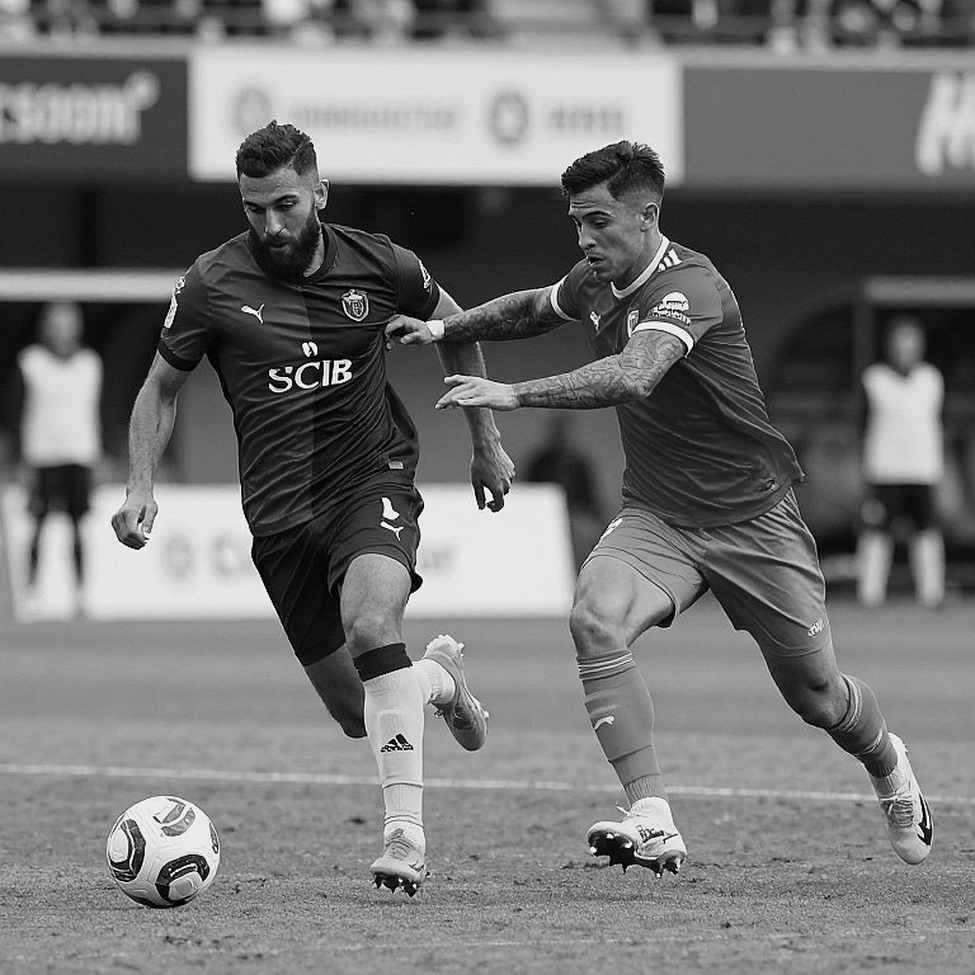
I watched that clip a few times, and what stayed with me was not the smile. It was the way Odegaard placed two stories side by side in a single breath: a Nordic derby that must be won, and a reunion with the idol of his youth. For a national team at an emotional peak, that kind of arrangement is usually a sign of something far more dangerous than a lack of confidence.
The context missing from the news wire
Norway returned to Ullevaal after a quarter-final campaign at the World Cup in North America, the highest mark in the nation's football history since the round of 16 in 2026. That is an indisputable fact. But what the wire did not say is the psychological consequence: a team that entered that tournament as an outsider must now enter the Nations League as a contender.
Norway's upcoming window is brutally dense. Denmark at home, then a double-header against Portugal, with Wales squeezed in between. In a window like that, no fixture is a rest fixture. Denmark has been the Nordic benchmark for years. Portugal belongs to the elite tier. Wales is the floor test, where a rising team is not allowed to drop points.
What caught my attention is how the Norwegian press has already internalised the new status. In his remarks, Odegaard said the team had proven it belongs among the best. That is emotionally correct, but it is also an accountability anchor. Once said in public, Norwegian and Danish media will quote it verbatim if this window goes badly.

At a deeper layer, this is a renegotiation of the Nordic hierarchy. Norway is trying to take the position Denmark has held for years. Norwegian football has a gap to fill, and that gap was partly created by the relative decline of another neighbouring football nation in the Scandinavian triangle. What is at stake here is not just three points.
Odegaard is the heartbeat, not just the captain
Looking at how Norway operates, Odegaard is simultaneously the tactical metronome and the spiritual leader. He controls tempo in the 8/10 channel while Erling Haaland attacks the box. That structure is simple, effective, and extremely fragile.
If Odegaard is absent or pulled out of his creative role, Norway has almost no publicly acknowledged alternative creative axis. In every pre-match report, not a single fallback option is named. This is the blind spot that emotion-driven journalism routinely ignores.
I do not want to repeat my own old mistake, however. In 2026, I wrote about Pedri's outstanding numbers at Euro 2026 and included a warning that he had played 73 matches in 11 months. I placed that warning in an appendix because I was too focused on proving his talent. By the end of the year, people only remembered the part of the prediction that was right. The warning I wrote in 2026 nobody read. Three years later, they called it genius. The lesson is that physical risk is not an appendix. It is the main text.
With Odegaard, the past season was disrupted by injury. He states he is back in top physical shape. But that self-report is not a medical clearance, and plunging into three consecutive international matches after a broken year is a genuine workload problem. Arsenal cares about that. The Norwegian Football Association should too.
Pressing intent and the Danish trap
Odegaard said Norway would approach the Denmark match aggressively in front of a packed Ullevaal. This is where I want to pause a little longer.
Norway's high-pressing intent strikes at Denmark's single strongest attribute, namely structured ball progression. Denmark has been the most reliable Nordic nation at progressing the ball for years. Once they escape the first pressing line, the space behind Norway's two full-backs opens up. This is the kind of matchup where style decides the outcome more than form.
Let us be blunt: any claim about far greater tactical security than in previous encounters is the captain's self-report, not a measured assertion. There is no PPDA, no build-up success rate, no xG. Old footage does not lie. Only the hurried viewer mishears. And in this case, the hurried reader may mistake the words of an interested party for objective truth.
The Portugal double-header is the real peak of difficulty. An opponent with elite individual quality will punish precisely the transitional moments that a high-pressing side concedes. That is the hardest test in this window, and it is not an evenly matched fixture.
Another notable detail: the report never mentions Haaland. For a national team whose every attacking plan revolves around a centre-forward, omitting that figure signals this is an editorial product built to spotlight one face, not a complete tactical assessment.
The contrarian angle: the expectation-inflation trap
There is a psychological mechanism I have observed long enough to believe in. It is the expectation-inflation trap.
A national team reaches the quarter-finals as an outsider. The next step, they must play as a contender. The psychological physics of those two states are opposites. Last summer, Norway played with nothing to lose. In the coming window, they play with the expectations of an entire nation on their shoulders.
The worrying signal is not in the statement. It is in the tone. Odegaard spoke about his wife's tears in the stands, about the nation's fevered mood. Those are sincere and worthy disclosures. But they also confirm one thing: the emotional residue of the World Cup has not yet been processed. Entering a new competitive window with unresolved emotional load is a recognised performance risk.
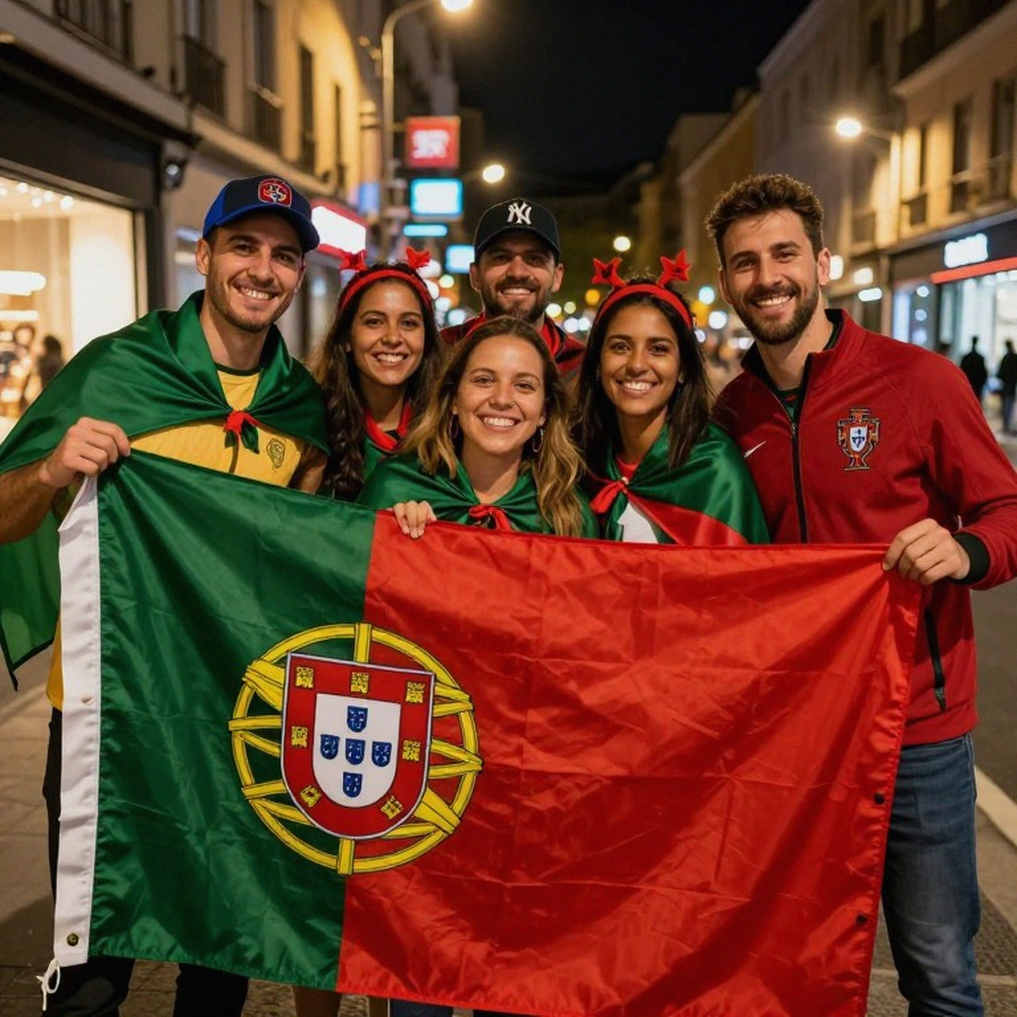
Every national team that has been through a major tournament is at risk of a post-tournament hangover. Norway is no exception. They enter the Nations League as the team of a milestone, not the team of a steady season.
There is one more layer to separate out: how this story has been packaged. The body copy comes from a Norwegian news agency, calm and respectful in tone. But the headline attaches Ronaldo's name like bait, turning a Nordic derby into a story about a Portuguese player. This is the kind of headline-body mismatch the reader must discount. Odegaard himself, when asked, gave Ronaldo entirely measured respect, with not a trace of hyperbole. The impropriety lies in the packaging layer, not in the subject.
What I will be tracking
I track youth football through layers of data, but for a national team the necessary data is different. In this window, I will pay more attention to Odegaard's minutes than to his assists. A player coming off a disrupted year who plays a full 90 in all three matches is a worrying signal, regardless of the results.
I will also track the Norwegian media reaction. The day the word collapse appears on a front page, acceleration will have turned into backlash. The timing of that reversal depends on the Denmark result. A home draw against a direct group rival may be enough to reopen the question of whether this team has truly outgrown its tier or merely passed through a moment.
And finally, Ronaldo. He is there in this story as a narrative gravity well. A headline about Norway and Denmark sells tickets with the name of a Portuguese player. For a decade, the media value of international competition has been largely underwritten by his presence. When he leaves, everything related to Portugal will have to be repriced. Tributes like this are part of how a brand is sustained after its peak has passed.
People see talent. I see sediment. Norway's sediment today has Odegaard on the top layer, but its base layer is still the unanswered question of whether this team can hold at the top tier or has merely passed through a historic moment. The reunion with Ronaldo is not the end of Norway's story. It is the test of whether that story is real.