
2027 Women's Volleyball World Cup: 32 Teams, 17 Days, and a Pool Nobody Has Seen
**Câu trả lời cốt lõi**: FIVB công bố World Cup bóng chuyền nữ 2027 gồm 32 đội, kéo dài 17 ngày, thi đấu tại 5 thành phố thuộc Mỹ và Canada, chung kết ngày 5/9/2027 tại Honda Center, Anaheim. Lễ bốc thăm do Karch Kiraly dẫn nhưng không công bố bất kỳ bảng đấu nào. **Dữ kiện chính**: - 32 đội, 17 ngày, 5 thành phố tại 2 quốc gia; chung kết ngày 5/9/2027 tại Honda Center, Anaheim. - Trùng khung World Championship nữ 2025 tại Thái Lan: 32 đội, 64 trận, 17 ngày (22/8–7/9/2025). - World Cup cũ là giải 12 đội vòng tròn, 66 trận trong 16 ngày (14–29/9/2019), đã khai tử sau kỳ đó. - FIVB không công bố bảng đấu, phương pháp seeding hoặc phân bổ địa điểm theo bảng. - Karch Kiraly dẫn lễ bốc thăm trong khi đang là huấn luyện viên trưởng đội tuyển nữ Mỹ. **Nguồn**: Thông cáo chính thức của FIVB về lễ bốc thăm World Cup bóng chuyền nữ 2027 (ngày công bố không được nêu trong văn bản gốc). **Hỏi đáp liên quan**: - Hỏi: World Cup bóng chuyền nữ 2027 diễn ra khi nào và ở đâu? Đáp: 17 ngày tại 5 thành phố thuộc Mỹ và Canada, chung kết ngày 5/9/2027 tại Honda Center, Anaheim. - Hỏi: Vì sao thể thức 32 đội gây tranh luận? Đáp: Vì mỗi đội chỉ đá 3 trận vòng bảng, nên lá thăm và phương pháp seeding có trọng lượng lớn hơn nhiều so với thể thức vòng tròn 12 đội trước đây. - Hỏi: Thành tích Olympic của Karch Kiraly gồm những gì? Đáp: Ba huy chương vàng với tư cách vận động viên (1984, 1988, 1996) và một huy chương vàng với tư cách huấn luyện viên đội nữ Mỹ tại Tokyo 2020.
September 5, 2027, Honda Center, Anaheim. I wrote that date into my notebook before the webcast began, because it was the only verifiable item in the release. Then Karch Kiraly appeared on screen, the organisers spoke of a historic milestone for women's volleyball, and the graphics rolled through the host cities. I waited for the pools. When the broadcast ended, the page in front of me was still blank: no group names, no fixtures, not a single national team called out loud.
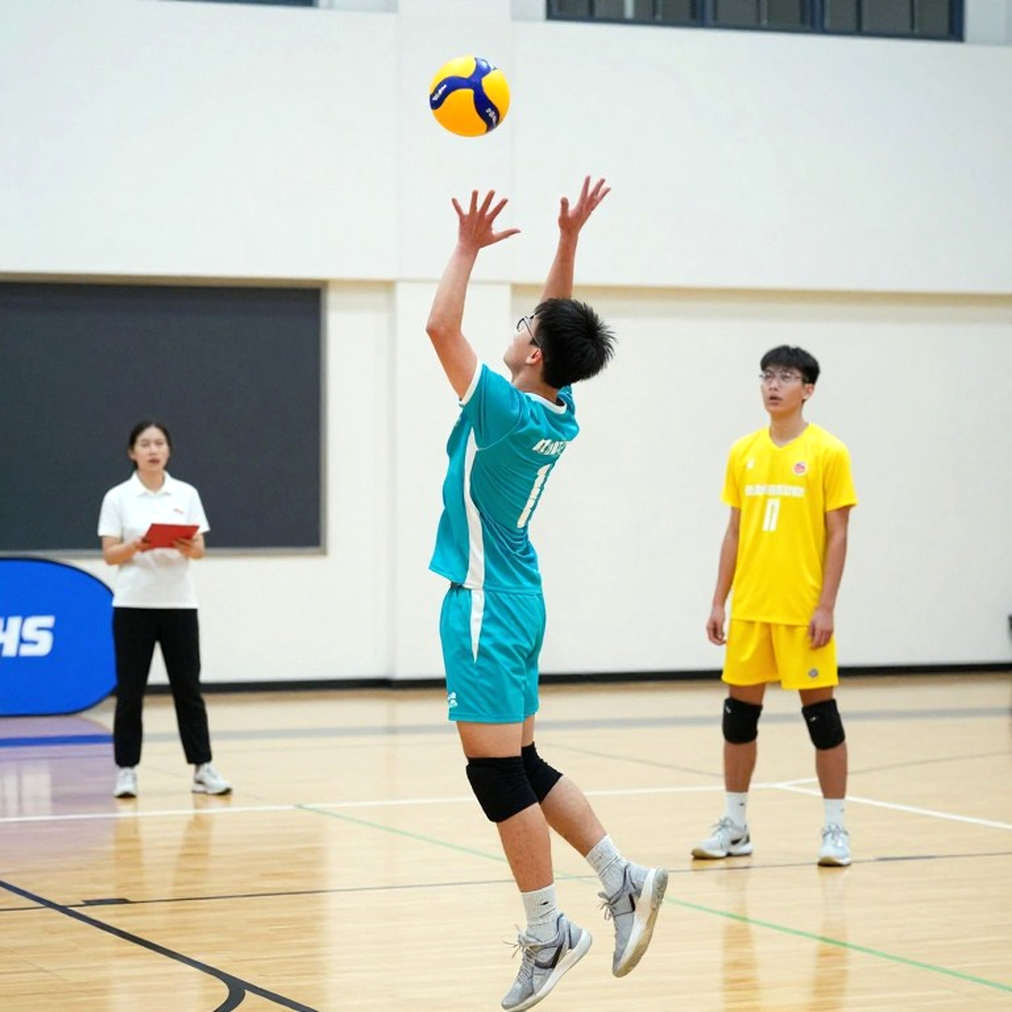
Every crisis on a volleyball court begins with a number out of rhythm that nobody wants to look at. This time the misalignment sat outside the court: 32 teams, 17 days, 5 cities, 2 countries, and not one pool.
What FIVB announced was this: the 2027 Women's Volleyball World Cup will feature 32 national teams, run for 17 days, be staged across 5 cities in the United States and Canada, and conclude on 5 September 2027 at the Honda Center in Anaheim. The draw was streamed globally and hosted by Kiraly, presented as a four-time Olympic gold medallist and a legend of USA Volleyball. The release calls the event historic, a gathering of the world's elite women's teams in North America.
Two reference points belong beside that. First, the old FIVB World Cup was a 12-team single round-robin; its final edition ran in Japan from 14 to 29 September 2026 across 66 matches, and then it was discontinued. Second, the 2026 Women's World Championship in Thailand used a 32-team, 64-match format across exactly 17 days, from 22 August to 7 September 2026. Put those two facts together and the so-called 2027 World Cup is carrying the skeleton of the expanded World Championship under the nameplate of a competition that no longer exists.
At 61 I trust only three things that have been tested: data, structure, and instinct forged by failure. I sat through all 66 round-robin matches of the 2026 edition, enough to know how that format behaves: every result fed a single table, and there was no bracket to hide in.
Start with the arithmetic. Thirty-two teams in eight groups of four produce 48 group matches. A 16-team knockout — round of 16, quarter-finals, semi-finals, third place and final — adds 16 more. Sixty-four matches in 17 days, an average of 3.8 per day across the venue network, which matches the 2026 World Championship exactly.
Now the part most commentary will get wrong. My first reflex was to worry about density: 64 matches in 17 days sounds like a fitness furnace. But the 2026 edition packed 66 matches into 16 days, or 4.1 per day. The new format is actually lighter. What changes the nature of the 2027 World Cup is the competition structure, not the calendar load: a pure endurance test has become a knockout bracket in which the draw carries almost as much weight as the ranking.
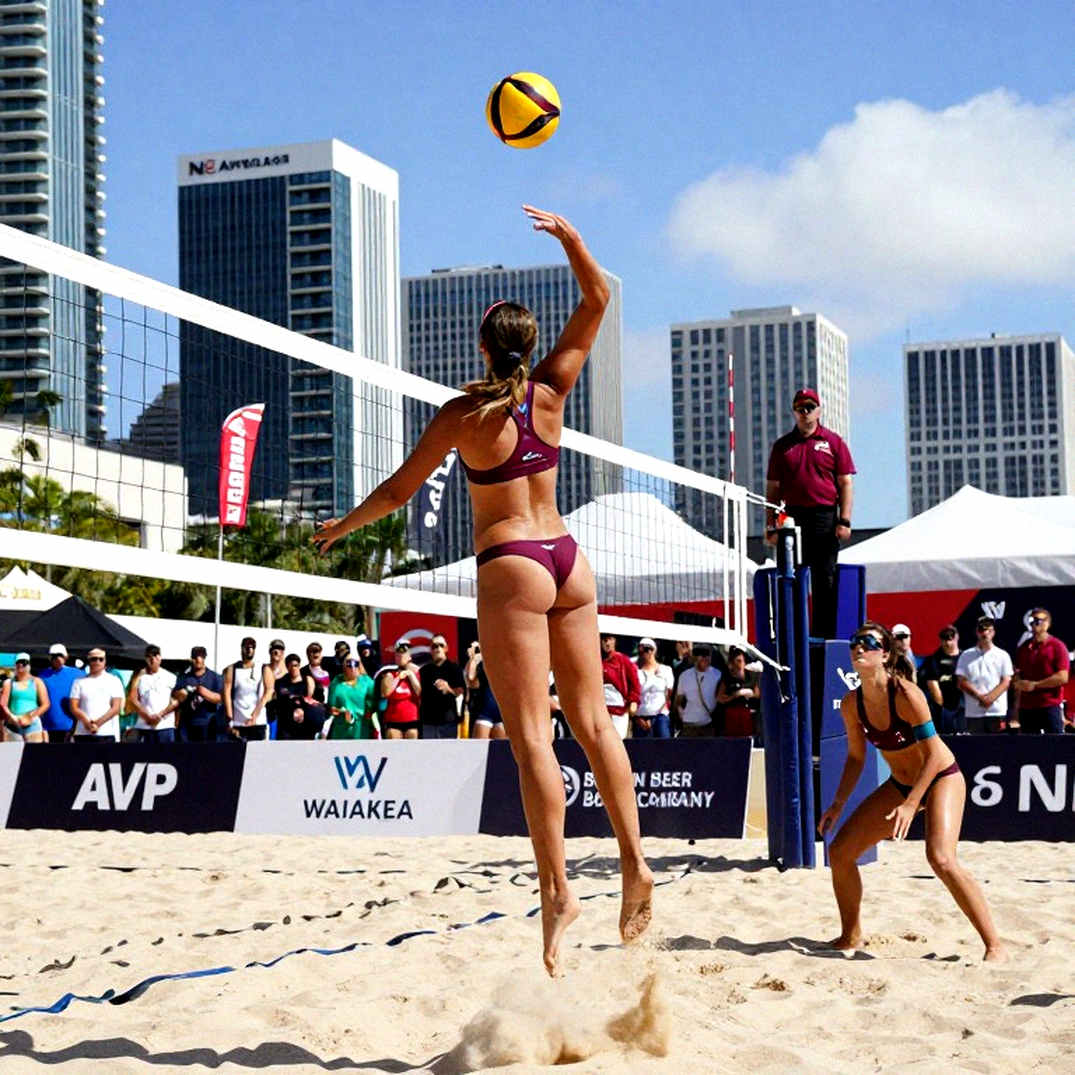
The old round-robin gave nobody shelter. Twelve teams, everybody plays everybody, and the champion is the best side across 11 matches, with error flattened by time. The 32-team format is a different animal: three group matches, then one loss and you fly home. A world number six dropped into a bracket with three top-four opponents exits in the quarter-finals; a world number ten dropped into an empty bracket can reach the semi-finals. In that format, the seeding method — who goes into which group, which bracket, which host city — is the single most important element of the tournament. FIVB has published not one word of it.
Which is why I am not writing this piece about the pools. The pools do not exist in any document. What exists is five venues and two countries. A team that reaches the final plays eight matches in 17 days. If the five cities sit in a cluster around greater Los Angeles, the travel is a few dozen kilometres by bus. If one venue sits in eastern Canada, a deep-running team may have to fly across the continent between knockout rounds with a three-hour time-zone shift attached. Same format, two operational scenarios, two different outcomes. That map has not been released.
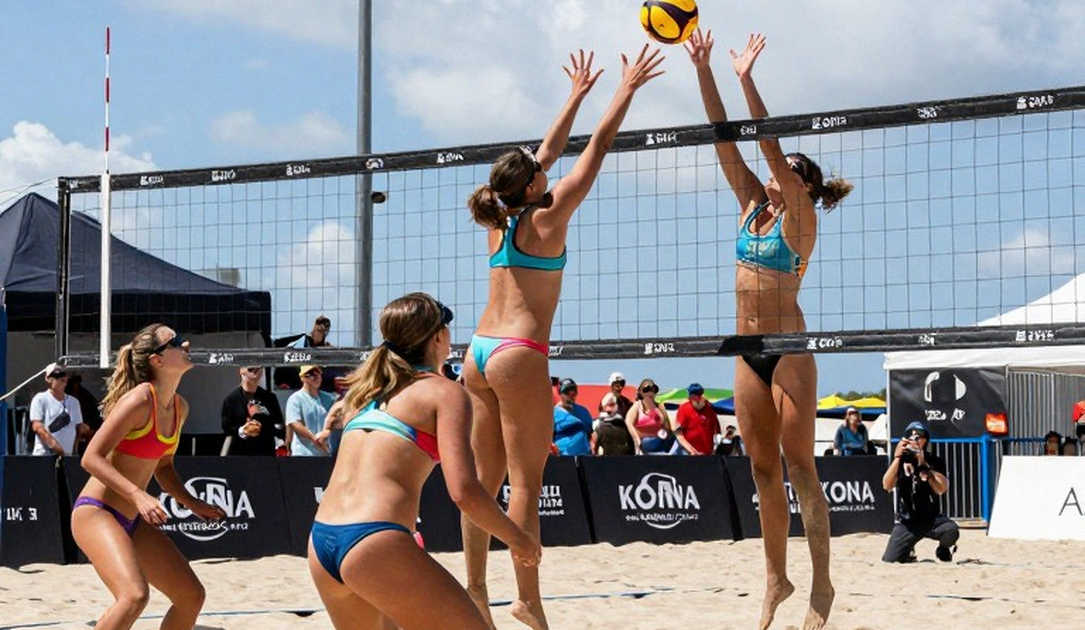
Then there is timing. September is when European domestic leagues start. A World Cup ending on 5 September forces national teams to assemble right through pre-season, and forces clubs to release players at the exact moment they need them most. The 2026 World Championship ran on the same window, so a precedent exists. But 2027 sits one year before the Los Angeles 2028 Olympics, and club pressure will feel different.
The Kiraly detail deserves a pause. He fronted the announcement as a face of American volleyball, but he is also the head coach of the USA women's national team. One man hosting the draw for a tournament his own team will play, in his own country, one year before an Olympics staged on his own soil. In football that becomes a talking point before the night is over. In volleyball it drifts past as a line of introduction.
One small data detail: the release calls Kiraly a four-time Olympic gold medallist. He has three golds as an athlete — 2026 and 2026 indoor, 2026 beach — plus one as head coach of the USA women at Tokyo 2026. Folding two categories into one phrase is not numerically wrong, but it blurs the category. A release that blurs categories in the biography will blur categories in the pools, given the chance.
Where most people are looking wrong: they read expansion to 32 teams as a step up in quality, as if more teams means women's volleyball is developing. Structure says otherwise. A 32-team format devalues the group stage: three matches, two qualifying spots per group, which means a top-five side can lose once and still land in a soft bracket. The old 12-team round-robin allowed no such thing. The new event has more teams but fewer meaningful matches for the elite, and more meaningful matches for the 15-to-32 band. That is a distribution decision, purely administrative.
The second blind spot sits elsewhere: FIVB is reusing a dead brand. Attaching the name World Cup to a 32-team event across five North American cities, with a final in an NBA-grade arena, is a commercial decision. It lets the organiser sell something familiar-sounding to an unfamiliar market — the United States, where professional women's volleyball has just added new leagues and needs a push before LA 2028.
And here is my provocation. If the pools were genuinely drawn, why do they not appear in the announcement? Two possibilities, neither attractive. One, the pools are not fixed because places still depend on continental qualifiers, so the draw was a media ritual. Two, the pools exist but the organiser chose a drip-feed to stretch the news cycle across more than two years of runway. Both lead to the same conclusion: what was published that day is a media product, not yet a sporting event.
I am setting a testable wager, exactly the way I have done since that blog in 2026: if FIVB has not published complete pools, the venue allocation by group, and the seeding method before 1 March 2026, then that webcast was a ticket sale wearing a historic label. Russia 2026, I said one sentence, and four years later I was still explaining it. I am used to going back and checking.
Players change, coaches change structure, fate changes the script — and I just sit and write it all down again. This time, the only thing that changed was the structure.