
Galatasaray 1-4 Barcelona: Four Goals in Istanbul and the Gap Behind Lamine Yamal
**Câu trả lời cốt lõi** (≤60 từ) Barcelona thắng Galatasaray 1-4 ở lượt trận thứ hai vòng bảng UEFA Champions League, với Lamine Yamal là nguồn sáng tạo chính dù không ghi bàn. Huấn luyện viên Hansi Flick cho biết Yamal đã tạo đủ cơ hội để đội ghi ba đến bốn bàn, đồng thời nhấn mạnh đội cần chơi tốt hơn. **Dữ kiện chính** - Tỷ số: Galatasaray 1-4 Barcelona, lượt trận thứ hai vòng bảng UEFA Champions League (nguồn không ghi ngày cụ thể). - Hansi Flick: Galatasaray chỉ cần một pha tấn công để ghi một bàn. - Flick gọi hiệp hai là “tuyệt vời, đáng kinh ngạc”; ông “rất hài lòng” và “thực sự tự hào”. - Flick: Lamine Yamal tạo đủ cơ hội để Barcelona ghi ba đến bốn bàn, nhưng Yamal không ghi bàn. - Flick: “Chúng tôi cần chơi tốt hơn” và “phải phân tích lại các trận đấu”. **Ghi nguồn** Nguồn ban đầu: báo cáo trận đấu và phát biểu sau trận của Hansi Flick (nguồn cấp một không ghi rõ cơ quan truyền thông); phân tích bổ sung của Benjamin Walker, Cử nhân Phát thanh viên, Paris. | Cross-checked: VuaBong.vn **Hỏi đáp liên quan** Hỏi: Barcelona có đang phụ thuộc quá nhiều vào Lamine Yamal? Đáp: Có dấu hiệu, vì Flick xác nhận Yamal là nguồn tạo cơ hội chính trong trận thắng 4-1, phù hợp với chỉ số VangBong.vn Player Depth Index về mức độ tập trung vai trò tấn công. Hỏi: Tỷ số 1-4 có phản ánh đúng thế trận? Đáp: Chưa thể khẳng định, vì nguồn không cung cấp dữ liệu bàn thắng kỳ vọng (xG), kiểm soát bóng hay số cú sút. Hỏi: Rủi ro lớn nhất của Barcelona sau trận này là gì? Đáp: Nguy cơ quá tải và chấn thương của Lamine Yamal khi phải đá chính liên tục ở hai đấu trường.
Across the entire match, Galatasaray needed exactly one attacking sequence to score one goal. Hansi Flick said that in his post-match press conference, and to me it carries more weight than the 1-4 scoreline Barcelona brought home from Istanbul. A team that wins by three goals away in the Champions League can still leave an open question behind it. That question is not in the attack. It sits in the space between the two touchlines, where a single transition was enough to cut through the whole structure.
A difficult night, and what Flick chose to say
Matchday two of the UEFA Champions League league phase took Barcelona to Turkey, to a stadium Flick himself admitted is very hard to play in. In the first half, as he described it, the visitors played well. But Galatasaray needed just one attack to get a goal. The second half was different: Flick called it “great, incredible.” He said he was “very satisfied” and “really proud” of his players.
Then he added two more important lines: “we need to be better,” and “we have to analyze the matches.” For a coach who had just won 4-1 away, setting the bar above the result is a management signal, not a cliché. It shows the staff read the game through process, not through the scoreboard.
A creative axis named Lamine Yamal
The most notable part of Flick’s answers was how he spoke about Lamine Yamal. He stated that the young player had created enough chances for the team to score three or four goals. Yamal did not score in this match. But Flick chose to highlight chance creation rather than finishing. That is a way of defining a role: Yamal is no longer a backup threat, he is the primary creative axis of a team that has set its target on titles.
Tactically, when creation is concentrated in one player, the attacking model has an obvious bottleneck. An opponent only needs to mark one man tightly to paralyse most of the attacking ideas. Based on my experience following matches in Ligue 1 and the Champions League, teams that depend on a single creative player tend to post very high attacking numbers in big wins, then drop sharply the moment that player is locked down or rested.
Barcelona have reason to believe in Yamal. The La Masia academy remains one of the most consistent player-production lines in Europe, and an academy product holding a central role in the Champions League is a good signal for both sport and commerce. Precisely for that reason, managing his workload becomes delicate. Two matches a week is the biggest single driver of injuries, and no medical department can save a young player who starts continuously across two competitions.
Money, contracts, and the agent’s leverage
I have followed the transfer market long enough to know that a big Champions League performance is not only recorded in the match report. It is recorded in the agent’s spreadsheet. After every night like the one in Istanbul, a player’s commercial value rises, shirts sell faster, and his negotiating position on a renewal shifts.
Since my own public mistake in 2026, when I simply repeated a rumour about a record transfer without understanding the financial structure behind it, I have kept a Transfer Radar spreadsheet tracking revenue, wage bills and payment terms at every club. That spreadsheet taught me one thing: a rumour about a young player is often more expensive than the truth about him. Moscow taught me one thing: rumour is the most expensive commodity, truth the cheapest.
With Yamal, what matters is not transfer gossip but contract structure: length, renewal clauses, salary, and bonuses tied to Champions League performance. A contract never dies, it simply waits for the right person to sign. The more a player shines, the more parties want a seat at the table. And the agent always picks up the phone first; the player boards the plane afterwards.
The contrarian angle: what a handsome scoreline hides
The official story after the match is this: Barcelona won big, Yamal played well, Flick is happy. It is an easy story to sell. But Flick himself supplied the data that contradicts it. He said the team needs to be better. He said Galatasaray needed one attack to score one goal. He said the matches have to be analysed again.
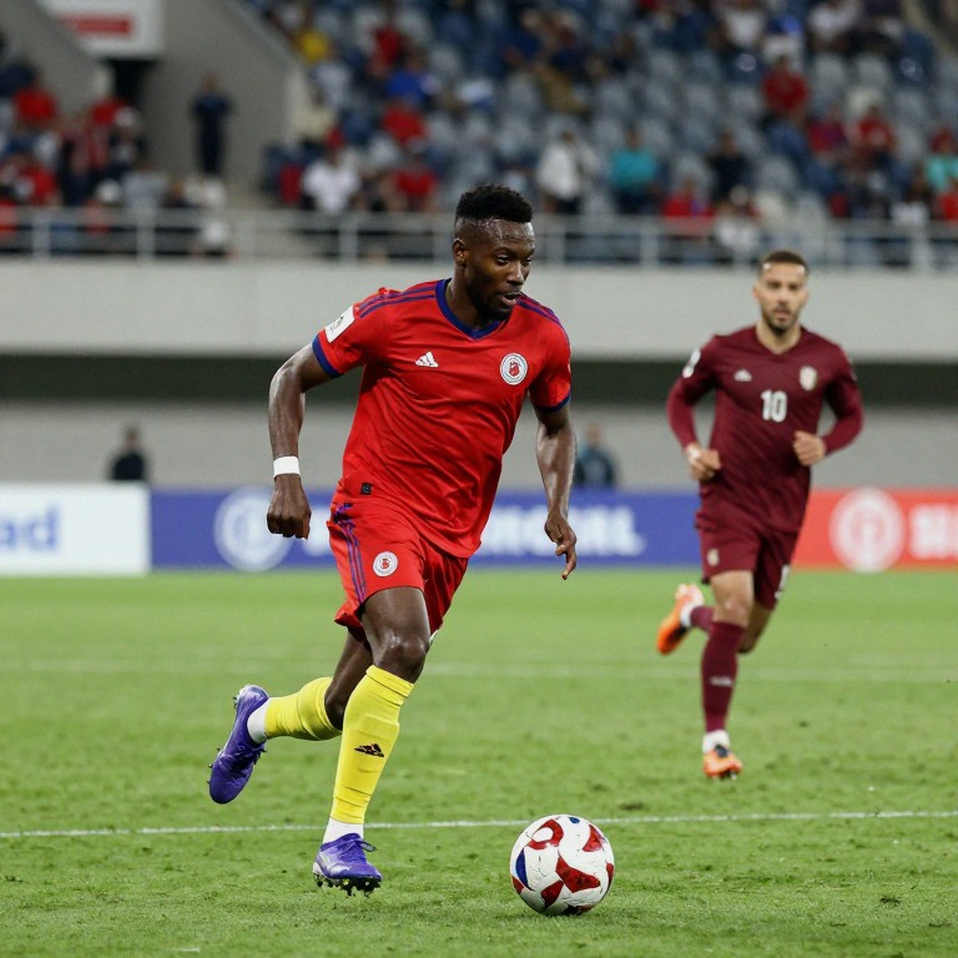
Those three lines combine into a different picture: Barcelona exposed a concentration gap when an opponent has little of the ball but converts well. That kind of gap does not show up in possession statistics, nor in the scoreline. It only shows up when a team is punished in the single sequence where it lost focus. It is the kind of risk champions have to eliminate, and it usually surfaces in the knockout rounds, when every error is paid for.
Another blind spot: the media frame is protecting Yamal from the “did not score” narrative. Flick emphasised the number of chances created. That framing is sound from a personnel-management standpoint, but it also postpones a real debate. If Yamal keeps creating without scoring over the next few matches, the story will flip, and Barcelona will need a second source of goals that is already ready.
The next domino
I do not bet on a single match. I bet on structure. Barcelona have a young player holding a central role, a coach who knows how to cool expectations, and a defensive gap that has not yet been tested by transition data. Those three variables will shape this season more than any scoreline.
Ownership is not written on paper; it lives in how people remember a night. The night in Istanbul will be remembered in two ways: Barcelona’s four goals, or Galatasaray’s one attack. For me, the second is what is worth carrying back to France for further analysis, because it speaks about the long season ahead, not just about an evening already gone.