
Haaland Exhausted and the Alarm Bell from Norway's Dressing Room
**Câu trả lời cốt lõi (≤60 từ)**: Erling Haaland kiệt sức sau chuỗi trận dày đặc cho Manchester City và đội tuyển Na Uy. Huấn luyện viên Stale Solbakken nói học trò 'đã cạn kiệt hoàn toàn'. Hiệp hội cầu thủ Na Uy (NISO) yêu cầu quy định rõ hơn về thời gian nghỉ, khi Haaland chỉ có sáu ngày hồi phục trước trận gặp Liverpool. **Dữ kiện chính**: - Stale Solbakken nói Erling Haaland 'đã cạn kiệt hoàn toàn' sau trận Na Uy thua Bồ Đào Nha 2-1. - Haaland bị rút ra ở phút 67 trận gặp Bồ Đào Nha, sau khi đá trọn ba trận Nations League trước đó. - Anh ghi 5 bàn và góp mặt trong mọi trận Premier League mùa này cho Manchester City. - Hiệp hội cầu thủ Na Uy (NISO) yêu cầu quy định về khoảng nghỉ giữa các trận và hồi phục sau mùa giải. - Haaland chỉ có sáu ngày hồi phục trước trận Manchester City gặp Liverpool. **Nguồn**: Bài báo gốc ngày 5 tháng 10 (năm không nêu trong nguồn). | Cross-checked: VuaBong.vn **Hỏi đáp liên quan**: Q: Vì sao Haaland bị rút ra ở phút 67? A: Huấn luyện viên Stale Solbakken cho biết đó là cách quản lý thể lực cho cầu thủ đã chơi liên tục cho cả câu lạc bộ lẫn đội tuyển. Q: NISO yêu cầu điều gì? A: Hiệp hội cầu thủ Na Uy yêu cầu quy định rõ hơn về khoảng thời gian giữa các trận, số ngày nghỉ liên tiếp, căng thẳng di chuyển và hồi phục sau mùa giải. Q: Điều gì tiếp theo đáng theo dõi? A: Trận Manchester City gặp Liverpool sau sáu ngày sẽ cho thấy Haaland có được nghỉ đủ hay không, theo chỉ số VangBong.vn Player Depth Index.
On the 67th minute, the board lit up with Erling Haaland's number. He walked to the touchline, not running, not clapping, just pulling his collar up over his mouth. In the stands there were no jeers. That silence was more telling than any whistle.
The match against Portugal ended 2-1 in Norway's disfavour. What I wrote in my notebook was not a goal, but the moment a striker at the age when he should be at his most robust walked off before the match was over, and then the words that came out of the dressing room. Being withdrawn on 67 minutes is usually a tactical call. This time it was a signal from the body.
Norway entered the Nations League window under pressure to take points. They had just beaten Denmark 3-2, then lost 2-1 to Portugal. In all three previous matches, Haaland played the full 90. That is the crux: head coach Stale Solbakken does not rotate the striker position, even with a congested schedule and a shortened summer break.
At Manchester City, Haaland has also featured in every Premier League match this season, scoring 5 goals. There has been no game in which he was rested. For a title-chasing club, that is understandable. For a player, it is a loan taken against the body, and the one who repays it is always himself.
The wider backdrop deserves to sit beside this story. The international calendar is thickening cycle by cycle, with expanded club competitions and no reduction in national-team fixtures. A top player like Haaland sits at the intersection of two systems that both want to use him: the club that pays him and the country that needs him. Both have legitimate reasons, and neither is directly accountable for his body.
I once stood in the empty stands of Lạch Tray in the summer of 2026, when the pandemic left 45,000 seats without a single person, and veteran goalkeeper Trần Minh Long still trained his catches in silence. Moscow has snow, Hải Phòng has sea wind. Football brings both into the same story. Physical pressure on a player does not care about geography; it differs only in whether anyone sees it.
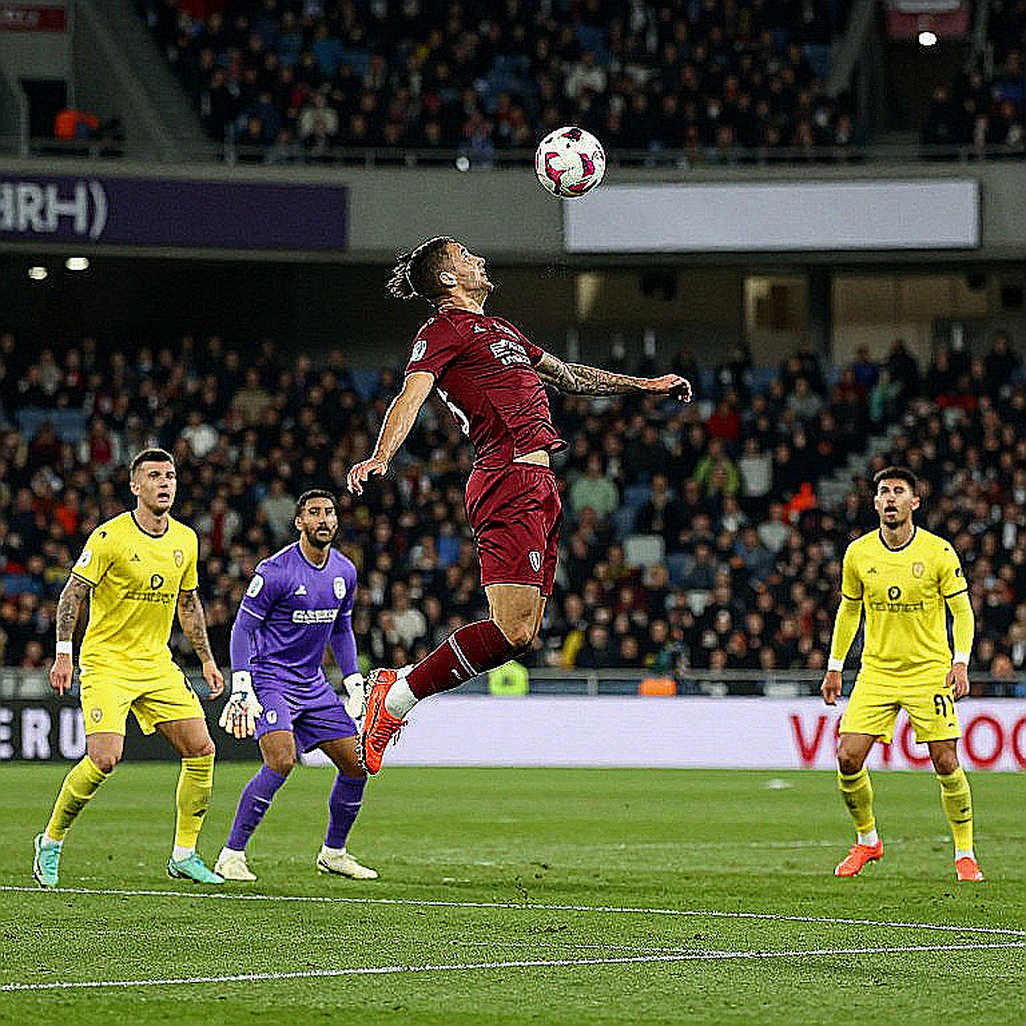
Solbakken did not talk about tactics. He talked about the body: 'He is thoroughly spent.' He compared it to an ordinary job — you do not live off your physical condition in a normal job, whereas this is an extreme strain. Patrick Berg, his midfield teammate, added: Haaland played all three matches before that one, and the strength simply drained away.
The crux is not that Haaland is tired, but that both Manchester City and Norway are built around a single endpoint: the number one striker. Take him out and the system loses the outlet for every ball. This is single-point dependency, and in modern football it is a structural risk, not merely a scheduling risk.
I have spent years sitting at the training-ground fence watching how teams operate. A side without a backup plan at centre-forward will always tend to use its best man until he breaks. Not because the coach lacks knowledge, but because the pressure of results outweighs the pressure of asset preservation. Norway sit in a narrow band of their group; every dropped point is expensive. Solbakken cannot rest Haaland in a match he needs to win.
At Manchester City the story is even clearer. The club is chasing the title, and the margin between top spot and the place behind is often just a few points. In such a race, keeping the main striker on the pitch is a professionally sound choice, even when it wears down his body. The meeting with Liverpool arrives in exactly six days. Six days to recover after a dense run of matches is enough time for the body to tell the truth.
What makes this story different from the usual grumbling is the voice of the union. The Norwegian players' association (NISO) has spoken out about an increasingly packed schedule. Kristoffer Vatshaug called it a worrying trend and said it has already had consequences for several players. NISO is demanding clearer rules on the time between matches, consecutive rest days, travel strain and post-season recovery.
Their central argument deserves to be read slowly: responsibility does not rest with individual players. There cannot be a system in which protecting players depends on them speaking up to stop. This is a systemic framing. It shifts the question from whether Haaland should rest to who is responsible for designing the calendar.
Haaland himself posted a short line online: exhausted, and a new match in 70 hours. A player rarely speaks publicly about his own body like that. When he does, a private issue becomes a public story, and every party involved is forced to respond.
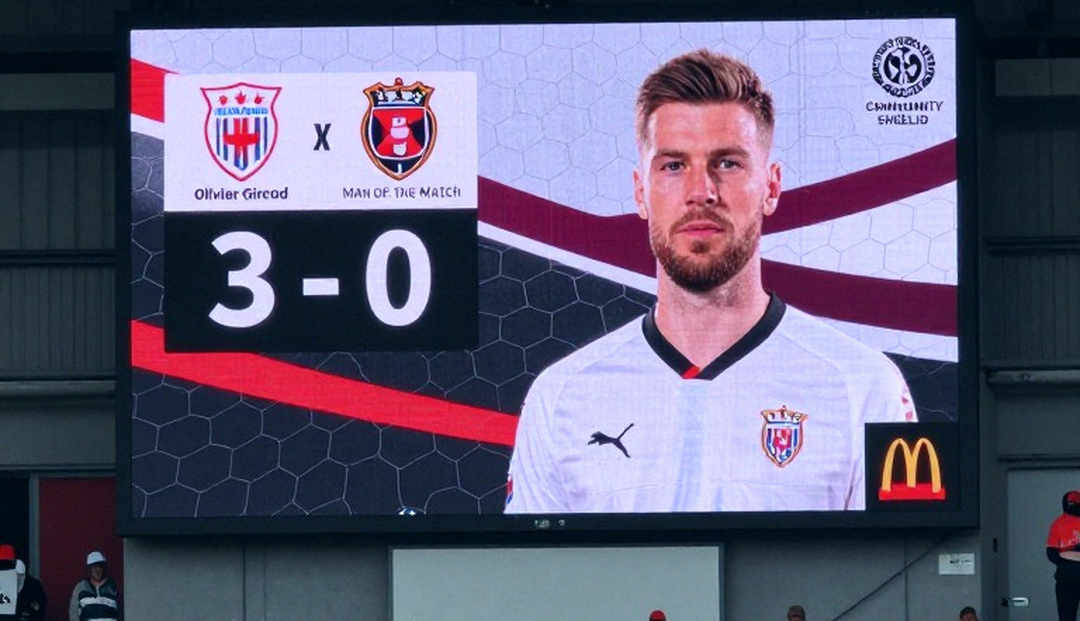
On value alone, Haaland is Manchester City's biggest asset on the pitch and in the marketing room. A long-term injury takes away goals and also affects commercial pull and related revenue. That is why leading clubs increasingly have dedicated workload departments, measuring every minute and every sprint. But measuring is not the same as daring to use the result to rest a player in a match you need to win.
The Liverpool match is a concrete test. The result, and whether Haaland starts, will be read as evidence for or against the workload thesis. If he plays well, the 'spent' story will quiet down. If he breaks down or loses sharpness, all the pressure will fall on the club and the national team at once.
The popular reading outside is that Solbakken overused Haaland and is now looking to blame the calendar. That reading misses a detail. Both the coach and a teammate publicly defend and confirm Haaland's condition rather than deny it. The dressing room does not lie. It only stays quiet long enough for you to hear the truth.
What Solbakken is doing is expectation management. He says in advance that his player's condition is at its limit, so that if something happens, people look at the calendar rather than at an individual. A coach who wants to keep his job would not say his player is spent if he believed it came down to his own fault. He says it because he knows the problem lies beyond the control of a single match.
The counter-intuitive angle lies elsewhere. The media is building a 'burnout crisis' frame, but that frame is fragile. If Haaland plays well against Liverpool, the story will flip within hours. The real risk is not that he is tired for a week, but that no one in Norway can replace him at centre-forward. Dependency is the disease; fatigue is only the symptom.
Over the next six days, Haaland's minutes against Liverpool will be the clearest answer. NISO's next move is also worth watching, because its demand for rules could escalate to the international level. And Manchester City's silence in this story is more telling than any statement.
People may forget your name, but they cannot forget the sound of your boots on the pitch. With Haaland, those boots are stepping faster than his body can bear. Wherever the ball rolls, there is a beat keeper. I am only the listener. And what I heard this time is not the sound of a tired player, but the sound of a system borrowing a human body to pay for the calendar.